
In the realm of construction, the utilization of sustainable materials and rigorous testing methods has emerged as a pivotal focus in mitigating environmental impact and enhancing the longevity of infrastructure. The selection of eco-conscious materials and the implementation of stringent testing protocols not only ensure structural integrity but also pave the way for a more eco-friendly and resilient architectural landscape universal tensile testing machine. As we delve into the intricate interplay between sustainable materials and testing methodologies, a deeper understanding of their symbiotic relationship unfolds, shedding light on the transformative potential they hold for the future of construction practices.
Importance of Sustainable Construction Materials
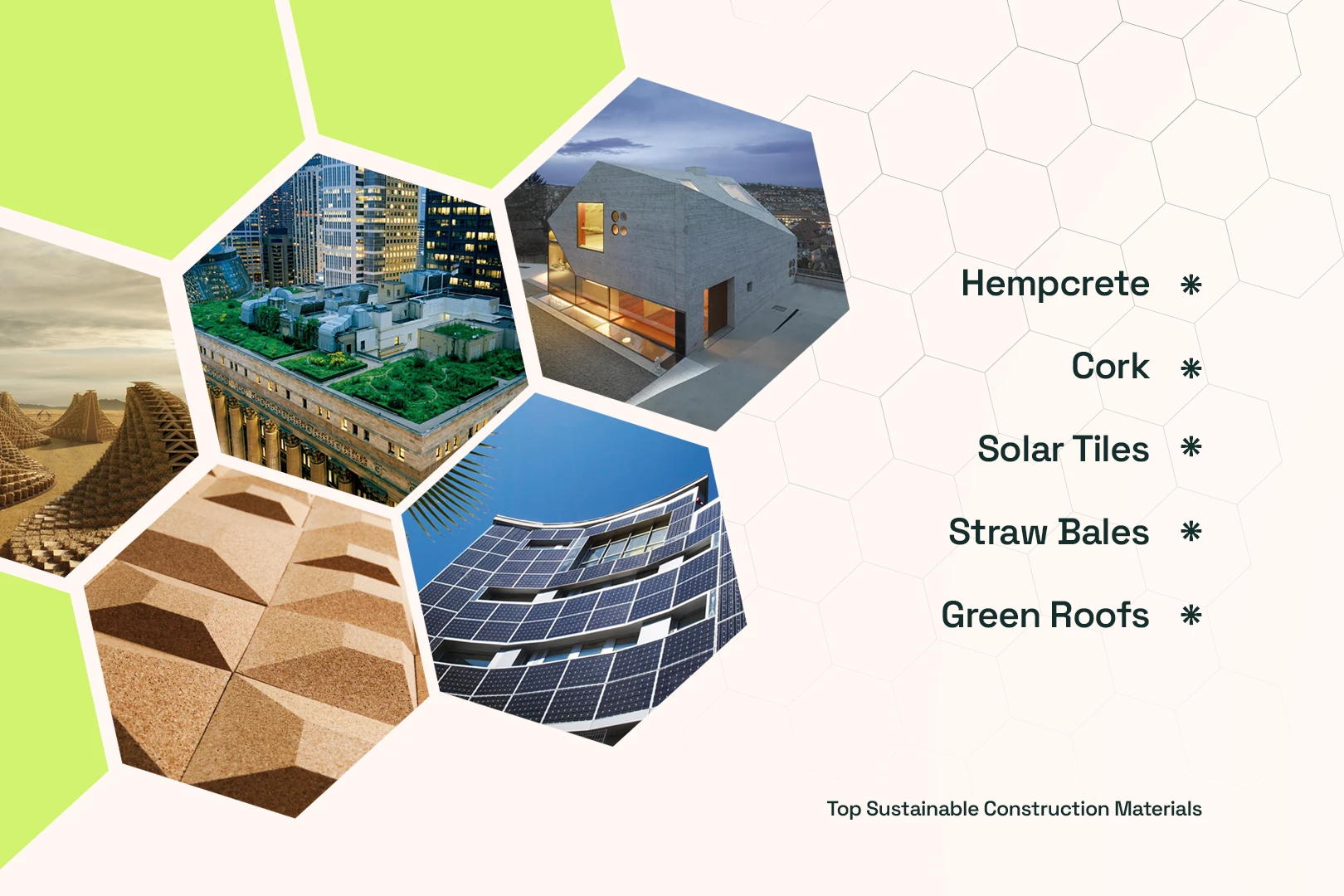
The significance of utilizing sustainable construction materials lies in their ability to minimize environmental impact, enhance energy efficiency, and promote long-term economic benefits within the construction industry. By opting for sustainable materials such as recycled steel, bamboo, reclaimed wood, or energy-efficient insulation, construction projects can significantly reduce their carbon footprint. These materials help conserve natural resources, decrease waste generation universal material testing machine, and lower greenhouse gas emissions during the production process.
Moreover, sustainable construction materials contribute to improved energy efficiency in buildings, leading to reduced operational costs over the long term. For instance, materials with high thermal mass or excellent insulation properties can help regulate indoor temperatures, reducing the need for excessive heating or cooling systems. This not only cuts down energy consumption but also enhances occupant comfort and well-being.
In addition to environmental and energy benefits, sustainable construction materials offer long-term economic advantages. While some sustainable options might have slightly higher upfront costs, the durability and performance they provide can lead to substantial savings in maintenance, repairs, and operational expenses throughout the lifespan of the building. Ultimately, the use of sustainable materials is a strategic investment that aligns environmental responsibility with economic viability in the construction sector.
Green Building Certifications and Standards
With a focus on promoting sustainable building practices and environmental responsibility, the implementation of green building certifications and standards has become integral to the construction industry. Green building certifications, such as LEED (Leadership in Energy and Environmental Design), BREEAM (Building Research Establishment Environmental Assessment Method), and Green Globes, provide frameworks for assessing a building’s environmental performance. These certifications evaluate various aspects of a building, including energy efficiency, water usage, indoor air quality, and materials selection. By adhering to these standards, construction projects can reduce their environmental impact, lower operating costs, and enhance occupant comfort and health.
Adhering to green building certifications also demonstrates a commitment to sustainability, which can enhance a company’s reputation and attract environmentally conscious clients. Additionally, governments and municipalities are increasingly incorporating green building standards into building codes and regulations to promote sustainable development. As the construction industry continues to prioritize sustainability, green building certifications and standards play a crucial role in driving positive environmental change within the built environment.
Types of Eco-Friendly Construction Materials
Promoting sustainable construction practices necessitates a thorough understanding of the various types of eco-friendly construction materials available in the market today. One such material is recycled steel, which reduces the need for mining iron ore and significantly cuts down on energy consumption during production.
Bamboo is another eco-friendly option due to its rapid growth and renewability, making it a sustainable alternative to traditional wood. Recycled glass can be used in construction materials like tiles and countertops, providing a durable and unique aesthetic while diverting glass waste from landfills.
Additionally, utilizing reclaimed wood from old buildings or responsibly managed forests can help reduce deforestation and minimize the environmental impact of construction projects. Insulating materials such as cellulose, made from recycled paper, and natural wool fibers offer energy-efficient solutions that contribute to a healthier indoor environment.
Life Cycle Assessment in Construction
The evaluation of construction materials through Life Cycle Assessment involves assessing their Environmental Impact, optimizing Resource Use, and analyzing Energy Efficiency.
This process enables a systematic examination of the environmental implications of a material or product throughout its entire life cycle.
Environmental Impact Assessment
When evaluating the environmental impact of construction projects, conducting a Life Cycle Assessment is essential to comprehensively understand the sustainability implications of materials and processes involved.
This assessment method considers all stages of a product or project’s life cycle, from raw material extraction, manufacturing, construction, use, and end-of-life disposal. By quantifying environmental impacts such as energy consumption, greenhouse gas emissions, water usage, and waste generation, stakeholders can make informed decisions to minimize negative consequences.
Life Cycle Assessments provide a holistic view, enabling the identification of opportunities for improvement and the comparison of different materials or design choices based on their overall environmental performance.
Ultimately, conducting these assessments is crucial for promoting sustainable practices in the construction industry.
Resource Use Optimization
Resource optimization in construction is crucial for enhancing sustainability practices within the industry. Life Cycle Assessment plays a pivotal role in this process by analyzing the environmental impacts associated with the entire life cycle of a building project. This analysis covers material extraction, construction, and eventual demolition, identifying areas for improving resource efficiency. Companies can optimize resource use by minimizing waste generation, reducing energy consumption, and selecting materials with lower environmental footprints. Integrating Life Cycle Assessment into decision-making processes not only reduces environmental impact but also leads to cost savings and improved long-term sustainability. Embracing resource optimization through Life Cycle Assessment is essential for advancing sustainable practices in the construction sector.
Energy Efficiency Analysis
Optimizing energy efficiency through detailed Life Cycle Assessment is a vital component in enhancing the sustainability of construction projects. By conducting a thorough analysis of energy consumption throughout the entire life cycle of a building, stakeholders can identify opportunities for improvement. This analysis allows for the identification of key areas where energy efficiency measures can be implemented to reduce overall energy consumption and environmental impact.
Furthermore, it enables decision-makers to make informed choices regarding building design, material selection, and operational practices that can significantly decrease energy usage and greenhouse gas emissions. Incorporating energy efficiency analysis into construction projects is essential for promoting environmentally conscious practices and ensuring long-term sustainability.
Sustainable Testing Methods for Materials
Sustainable testing methods for materials play a crucial role in ensuring the environmental impact of construction projects is minimized. By utilizing eco-friendly testing techniques, such as life cycle analysis and durability assessments, construction professionals can make informed decisions that promote sustainability throughout the entire lifecycle of a building.
These methods not only enhance the longevity and performance of materials but also contribute to reducing waste and conserving resources in the construction industry.
Eco-Friendly Testing Techniques
In the realm of materials testing for construction projects, there is a growing emphasis on adopting environmentally conscious methods that minimize ecological impact. Eco-friendly testing techniques play a crucial role in ensuring sustainability throughout the construction process.
One such method is non-destructive testing (NDT), which reduces material wastage and environmental harm by allowing for the evaluation of structures without causing damage. Additionally, utilizing recycled materials in testing equipment and procedures can further enhance the eco-friendliness of the process.
Implementing energy-efficient testing procedures, such as using renewable energy sources to power testing equipment, also contributes to reducing the environmental footprint of construction projects. By incorporating these eco-friendly testing techniques, construction projects can align with sustainable practices while maintaining high standards of quality assurance.
Durability Assessments for Sustainability
With the increasing focus on sustainable construction practices, the evaluation of material durability through specialized testing methods is imperative for ensuring long-term environmental and structural integrity. Durability assessments play a crucial role in determining the sustainability of construction materials by examining their ability to withstand environmental factors and usage conditions over time.
These assessments often involve tests such as accelerated aging, freeze-thaw resistance, abrasion resistance, and corrosion resistance to simulate real-world conditions. By utilizing these testing methods, construction professionals can select materials that have a lower environmental impact, reduced maintenance requirements, and longer service lives, leading to more sustainable construction practices.
Ensuring the durability of materials is essential for minimizing the need for replacements and repairs, thus contributing to overall sustainability in the construction industry.
Life Cycle Analysis
Life Cycle Analysis is a comprehensive method used in assessing the environmental impacts of construction materials throughout their entire lifespan. This analysis considers all stages, from raw material extraction, production, construction, in-use, to end-of-life phases.
By evaluating energy consumption, emissions, resource depletion, and waste generation, Life Cycle Analysis provides a holistic view of a material’s sustainability. It helps stakeholders make informed decisions by identifying potential environmental hotspots and guiding improvements in material selection and design.
Understanding the complete life cycle of construction materials is crucial for achieving sustainability goals and reducing the industry’s ecological footprint. Conducting Life Cycle Analysis enables a more transparent and data-driven approach to sustainable construction practices, paving the way for greener and more environmentally friendly building projects.
Innovations in Recycled Building Materials
Utilizing advanced technologies and innovative processes, the construction industry is witnessing a remarkable shift towards incorporating recycled building materials in sustainable projects. Innovations in recycled building materials have been gaining traction due to their environmental benefits and resource efficiency. One notable advancement is the development of recycled plastic bricks, which utilize plastic waste to create durable and lightweight building blocks. These bricks not only divert plastic from landfills but also reduce the demand for traditional clay bricks, thereby lowering carbon emissions associated with brick production.
Additionally, recycled steel and aluminum are being used in structural elements, offering a sustainable alternative to virgin metals. By repurposing these materials, significant energy savings are achieved compared to extracting and processing raw ores. Moreover, the incorporation of recycled glass in concrete mixes enhances the material’s durability and aesthetics while reducing the environmental impact of glass disposal. These innovations in recycled building materials demonstrate the industry’s commitment to sustainable practices and the circular economy.
Energy-Efficient Construction Techniques
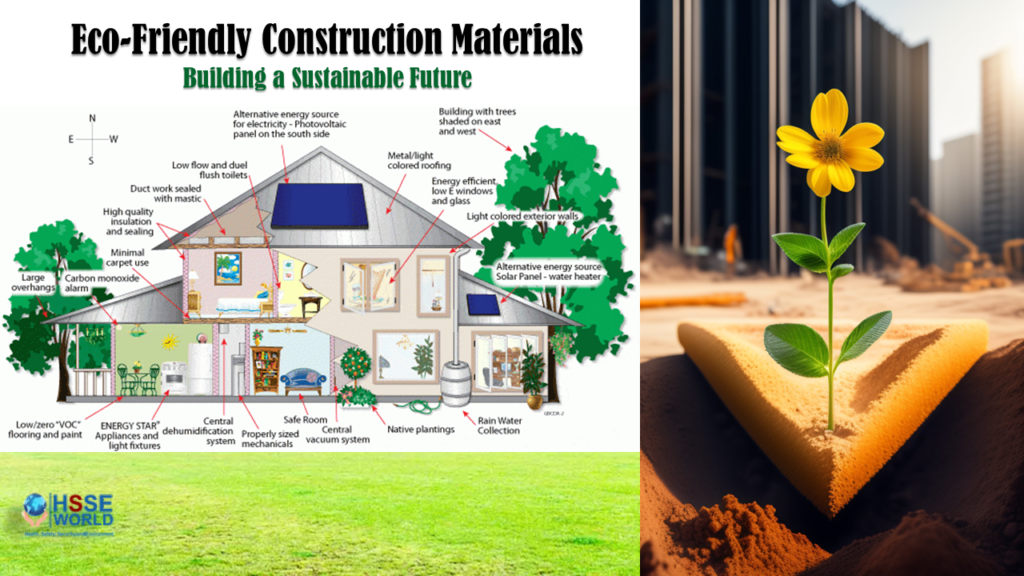
Energy-efficient construction techniques play a pivotal role in reducing a building’s energy consumption. Insulation is a key factor in maintaining thermal comfort and energy efficiency.
Additionally, the installation of solar panels and the use of LED lighting further contribute to sustainable practices in construction.
Insulation for Efficiency
Implementing effective insulation solutions is paramount in optimizing energy efficiency within construction projects. Proper insulation helps in minimizing heat transfer, reducing the need for excessive heating or cooling, and ultimately lowering energy consumption.
Materials like fiberglass, cellulose, foam board, and spray foam are commonly used for insulation due to their thermal resistance properties. The insulation’s R-value, which measures its resistance to heat flow, plays a crucial role in determining its effectiveness.
Additionally, proper installation techniques such as sealing gaps and ensuring complete coverage are essential for maximizing insulation efficiency. By investing in high-quality insulation materials and meticulous installation practices, construction projects can significantly enhance their energy efficiency, reduce environmental impact, and improve overall sustainability.
Solar Panel Installation
Installing solar panels in construction projects is a strategic method for enhancing energy efficiency and promoting sustainable building practices. Solar panels harness sunlight and convert it into electricity, reducing the reliance on traditional power sources and lowering utility costs.
The installation of solar panels requires careful planning to optimize sunlight exposure and ensure maximum energy generation. Factors such as roof orientation, shading, and panel tilt angle must be considered to achieve optimal performance.
Integrating solar panels into construction projects not only reduces carbon footprint but also provides long-term cost savings. By utilizing renewable energy sources, buildings can operate more sustainably and contribute to a greener future.
LED Lighting Benefits
To further enhance sustainable building practices beyond solar panel installation, incorporating LED lighting offers significant benefits in energy efficiency and contributes to overall environmental conservation in construction projects. LED lighting is known for its energy efficiency, consuming up to 75% less energy than traditional incandescent lighting. This reduced energy consumption not only lowers electricity bills but also decreases greenhouse gas emissions associated with electricity generation.
LED lights have a longer lifespan, reducing the frequency of replacements and lowering maintenance costs. Additionally, LED lighting produces less heat, which can help reduce the strain on cooling systems in buildings. By integrating LED lighting into construction projects, builders can significantly improve energy efficiency and contribute to a more sustainable built environment.
Durability and Performance of Sustainable Materials
The longevity and efficacy of sustainable construction materials are critical factors that directly impact the durability and overall performance of eco-friendly building projects. Sustainable materials must withstand environmental conditions while maintaining structural integrity to ensure the longevity of the construction.
Materials such as bamboo, recycled steel, reclaimed wood, and insulated concrete forms are known for their durability and performance in sustainable construction.
Bamboo, for instance, is a rapidly renewable resource that offers high strength and durability, making it a popular choice for sustainable flooring, furniture, and structural elements. Recycled steel reduces the environmental impact of steel production and provides a strong and durable material for various construction applications. Reclaimed wood not only adds a unique aesthetic appeal but also contributes to sustainability by repurposing existing resources. Insulated concrete forms enhance energy efficiency and structural strength, ensuring the longevity and performance of sustainable buildings.
Cost Considerations for Sustainable Construction
Considering the significance of durability and performance in sustainable construction materials, a meticulous analysis of cost considerations is imperative to ensure the economic feasibility of eco-friendly building projects. Sustainable construction materials often have higher upfront costs compared to traditional materials. However, it is essential to look beyond the initial investment and consider the long-term benefits, such as reduced maintenance and operational expenses.
Life cycle cost analysis (LCCA) is a valuable tool for evaluating the total cost of a sustainable construction project over its entire lifespan. This method considers not only the initial expenses but also factors in maintenance, repair, and end-of-life costs. By conducting a thorough LCCA, builders and developers can make informed decisions that balance upfront costs with long-term savings.
Furthermore, government incentives, tax credits, and rebates are often available for sustainable construction projects, helping offset some of the initial costs. It is crucial for stakeholders to stay updated on these financial incentives to maximize cost savings and promote the adoption of sustainable construction practices.
Future Trends in Sustainable Construction
An exploration of forthcoming advancements in sustainable construction practices reveals promising innovations aimed at enhancing environmental stewardship and building efficiency.
One key trend is the growing use of advanced sustainable materials such as carbon-negative cements, engineered wood products, and recycled plastics in construction. These materials not only reduce the carbon footprint of buildings but also help in managing waste effectively.
Additionally, the integration of smart technologies, like sensors for energy management, water conservation systems, and automated building controls, is gaining traction in sustainable construction. These technologies optimize resource utilization and enhance the overall operational efficiency of buildings.
Another significant trend is the rise of prefabrication and modular construction techniques. By manufacturing building components off-site in controlled environments, construction waste is minimized, and construction time is significantly reduced.
Moreover, the concept of biophilic design, which incorporates natural elements into building spaces to enhance occupant well-being, is becoming increasingly popular in sustainable construction practices.
Embracing these future trends in sustainable construction will not only benefit the environment but also create healthier and more efficient built environments for future generations.
Conclusion
In conclusion, sustainable construction materials and testing methods play a crucial role in reducing the environmental impact of building projects and promoting long-term sustainability.
By utilizing eco-friendly options and implementing sustainable testing practices, construction practices can minimize resource depletion, lower greenhouse gas emissions, and ensure the durability and performance of materials.
Cost considerations and future trends in sustainable construction further emphasize the importance of adopting environmentally friendly practices in the construction industry.


