Skip to content
Flsfunnelone

Flsfunnelone

NTFS Drives In MacOS

  • Home
  • About Us
  • NTFS Drives In MacOS
  • Say Hi..

Month: December 2024

  • Home
  • 2024
  • December

Pet Shop

Protect Your Mobile Lucille Bennett

Pet shops serve as hubs for pet enthusiasts looking to provide the best care for their animal companions, offering a range of products and services tailored to meet their needs. From specialized pet foods to innovative toys and accessories pet shop, these establishments cater to a diverse array of pets, fostering a sense of community among like-minded individuals. Exploring the nuances of pet care and the latest trends in the industry, a visit to a pet shop can unveil a world of possibilities for enhancing the well-being of your furry, scaly, or feathered friends.

10,700+ Pet Shop Cat Stock Photos, Pictures & Royalty-Free Images - iStock  | Pet shop dog, Cat pet shop

Benefits of Visiting a Pet Shop

Regularly visiting a pet shop can provide numerous advantages for both pet owners and their furry companions. Pet shops offer a wide range of products and services essential for the well-being of pets https://petuniverse.com/. One significant benefit is the access to high-quality pet food and supplies tailored to specific dietary needs and preferences. This ensures that pets receive the necessary nutrition to stay healthy and happy.

Moreover, pet shops often have knowledgeable staff who can provide valuable advice on pet care, training, and grooming. This guidance can be particularly helpful for first-time pet owners or those seeking to enhance their pet parenting skills. Additionally, visiting a pet shop allows for socialization opportunities for pets, which is crucial for their mental and emotional development.

Furthermore, pet shops may host events, workshops, or seminars that educate pet owners on various topics related to pet health and well-being. These activities not only enrich the bond between pets and their owners but also foster a sense of community among pet lovers. Overall, the benefits of visiting a pet shop extend beyond just purchasing products, offering a holistic approach to pet care.

Popular Pet Species Available

When exploring the offerings of a pet shop, one can discover a variety of popular pet species available for adoption or purchase. From the playful companionship of dogs and cats to the mesmerizing allure of fish and the charming antics of small rodents like hamsters and gerbils, there is a pet to suit every lifestyle and preference.

Dogs, known for their loyalty and affection, come in various breeds, each with its own unique characteristics and needs. Cats, independent yet loving, make for great companions in homes with a bit more freedom. Fish, with their vibrant colors and calming presence, can be a beautiful addition to any living space, offering a serene underwater world to observe.

For those looking for smaller pets, options like hamsters, gerbils, or guinea pigs provide delightful entertainment in compact packages. These small creatures are easy to care for and can bring joy to both adults and children alike. Before bringing home a new pet, it’s essential to consider your lifestyle, available space, and the amount of time and care you can dedicate to your new furry, scaly, or feathery friend.

Essential Supplies for Pet Care

To ensure the well-being and happiness of your pet, acquiring the necessary supplies for their care is crucial. Providing a comfortable and stimulating environment for your furry friend starts with the basics. Essential supplies vary depending on the type of pet you have, but some universal items include:

  • Food and water bowls
  • Nutritious food specific to your pet’s dietary needs
  • A cozy bed or resting area
  • Appropriate toys for mental stimulation and exercise
  • Grooming tools such as brushes or nail clippers
  • A secure leash and collar for walks
  • A safe and clean living space

For aquatic pets like fish, a suitable tank with a filtration system, water conditioner, and appropriate fish food are vital. Reptiles require an appropriately sized terrarium with heating and lighting elements. Small mammals like hamsters or guinea pigs need bedding, a suitable cage, and chew toys. Birds need a spacious cage, perches, and toys for enrichment.

Investing in these essential supplies will help create a nurturing environment for your beloved pet.

Tips for Choosing the Right Pet

Choosing the right pet for your lifestyle and living situation requires careful consideration and understanding of the commitment involved. Before bringing a new pet into your home, it’s essential to assess your daily routine, living space, and the amount of time and effort you can dedicate to caring for a pet.

If you’re an active individual who enjoys spending time outdoors, a dog that matches your energy level may be a good fit. For those with limited space or busy schedules, a low-maintenance pet like a cat or fish could be more suitable. Consider allergies, household members, and the financial responsibilities that come with pet ownership.

Research different breeds or species to find one that aligns with your preferences and lifestyle. Visiting local shelters or breed-specific rescues can also help you find a pet that matches your needs while giving an animal a loving home.

Petshop Shelf Systems - Setraf

Importance of Pet Adoption

Consider adopting a pet as a compassionate and rewarding way to provide a loving home to an animal in need. Pet adoption is a crucial aspect of animal welfare, as it helps reduce the number of homeless pets and provides a second chance for animals to experience love and care. When you adopt a pet, you are not only gaining a loyal companion but also saving a life and making a positive impact on the community.

Adopting a pet from a shelter or rescue organization also helps combat issues such as pet overpopulation and unethical breeding practices. By choosing adoption, you are promoting responsible pet ownership and supporting organizations dedicated to the well-being of animals. Additionally, adopted pets often come spayed or neutered, vaccinated, and microchipped, saving you time and money on initial veterinary expenses.

Furthermore, adopting a pet allows you to choose from a wide variety of animals of different ages, breeds, and personalities, ensuring that you find the perfect match for your lifestyle and preferences. Embrace the opportunity to make a difference in an animal’s life by considering pet adoption as your first choice when looking for a new furry friend.

Conclusion

In conclusion, visiting a pet shop offers a multitude of benefits for pet owners. From access to a wide range of popular pet species to essential supplies for pet care, pet shops serve as one-stop destinations for all pet-related needs. The knowledgeable staff can provide guidance on choosing the right pet based on individual lifestyles and preferences.

Additionally, promoting pet adoption at pet shops can help provide loving homes for animals in need. By adopting a pet from a pet shop, you not only gain a new companion but also contribute to reducing the number of homeless animals. Enhance your bond with your pets and provide them with the care they deserve by visiting a pet shop today.

Share this...
Share on facebook
Facebook
Share on pinterest
Pinterest
Share on twitter
Twitter
Share on linkedin
Linkedin
…
December 31, 2024April 10, 2026

Sustainable Construction Materials and Testing

Protect Your Mobile Lucille Bennett

In the realm of construction, the utilization of sustainable materials and rigorous testing methods has emerged as a pivotal focus in mitigating environmental impact and enhancing the longevity of infrastructure. The selection of eco-conscious materials and the implementation of stringent testing protocols not only ensure structural integrity but also pave the way for a more eco-friendly and resilient architectural landscape universal tensile testing machine. As we delve into the intricate interplay between sustainable materials and testing methodologies, a deeper understanding of their symbiotic relationship unfolds, shedding light on the transformative potential they hold for the future of construction practices.

Top Sustainable Construction Materials - WorldTeams

Importance of Sustainable Construction Materials

The significance of utilizing sustainable construction materials lies in their ability to minimize environmental impact, enhance energy efficiency, and promote long-term economic benefits within the construction industry. By opting for sustainable materials such as recycled steel, bamboo, reclaimed wood, or energy-efficient insulation, construction projects can significantly reduce their carbon footprint. These materials help conserve natural resources, decrease waste generation universal material testing machine, and lower greenhouse gas emissions during the production process.

Moreover, sustainable construction materials contribute to improved energy efficiency in buildings, leading to reduced operational costs over the long term. For instance, materials with high thermal mass or excellent insulation properties can help regulate indoor temperatures, reducing the need for excessive heating or cooling systems. This not only cuts down energy consumption but also enhances occupant comfort and well-being.

In addition to environmental and energy benefits, sustainable construction materials offer long-term economic advantages. While some sustainable options might have slightly higher upfront costs, the durability and performance they provide can lead to substantial savings in maintenance, repairs, and operational expenses throughout the lifespan of the building. Ultimately, the use of sustainable materials is a strategic investment that aligns environmental responsibility with economic viability in the construction sector.

Green Building Certifications and Standards

With a focus on promoting sustainable building practices and environmental responsibility, the implementation of green building certifications and standards has become integral to the construction industry. Green building certifications, such as LEED (Leadership in Energy and Environmental Design), BREEAM (Building Research Establishment Environmental Assessment Method), and Green Globes, provide frameworks for assessing a building’s environmental performance. These certifications evaluate various aspects of a building, including energy efficiency, water usage, indoor air quality, and materials selection. By adhering to these standards, construction projects can reduce their environmental impact, lower operating costs, and enhance occupant comfort and health.

Adhering to green building certifications also demonstrates a commitment to sustainability, which can enhance a company’s reputation and attract environmentally conscious clients. Additionally, governments and municipalities are increasingly incorporating green building standards into building codes and regulations to promote sustainable development. As the construction industry continues to prioritize sustainability, green building certifications and standards play a crucial role in driving positive environmental change within the built environment.

Types of Eco-Friendly Construction Materials

Promoting sustainable construction practices necessitates a thorough understanding of the various types of eco-friendly construction materials available in the market today. One such material is recycled steel, which reduces the need for mining iron ore and significantly cuts down on energy consumption during production.

Bamboo is another eco-friendly option due to its rapid growth and renewability, making it a sustainable alternative to traditional wood. Recycled glass can be used in construction materials like tiles and countertops, providing a durable and unique aesthetic while diverting glass waste from landfills.

Additionally, utilizing reclaimed wood from old buildings or responsibly managed forests can help reduce deforestation and minimize the environmental impact of construction projects. Insulating materials such as cellulose, made from recycled paper, and natural wool fibers offer energy-efficient solutions that contribute to a healthier indoor environment.

Life Cycle Assessment in Construction

The evaluation of construction materials through Life Cycle Assessment involves assessing their Environmental Impact, optimizing Resource Use, and analyzing Energy Efficiency.

This process enables a systematic examination of the environmental implications of a material or product throughout its entire life cycle.

Environmental Impact Assessment

When evaluating the environmental impact of construction projects, conducting a Life Cycle Assessment is essential to comprehensively understand the sustainability implications of materials and processes involved.

This assessment method considers all stages of a product or project’s life cycle, from raw material extraction, manufacturing, construction, use, and end-of-life disposal. By quantifying environmental impacts such as energy consumption, greenhouse gas emissions, water usage, and waste generation, stakeholders can make informed decisions to minimize negative consequences.

Life Cycle Assessments provide a holistic view, enabling the identification of opportunities for improvement and the comparison of different materials or design choices based on their overall environmental performance.

Ultimately, conducting these assessments is crucial for promoting sustainable practices in the construction industry.

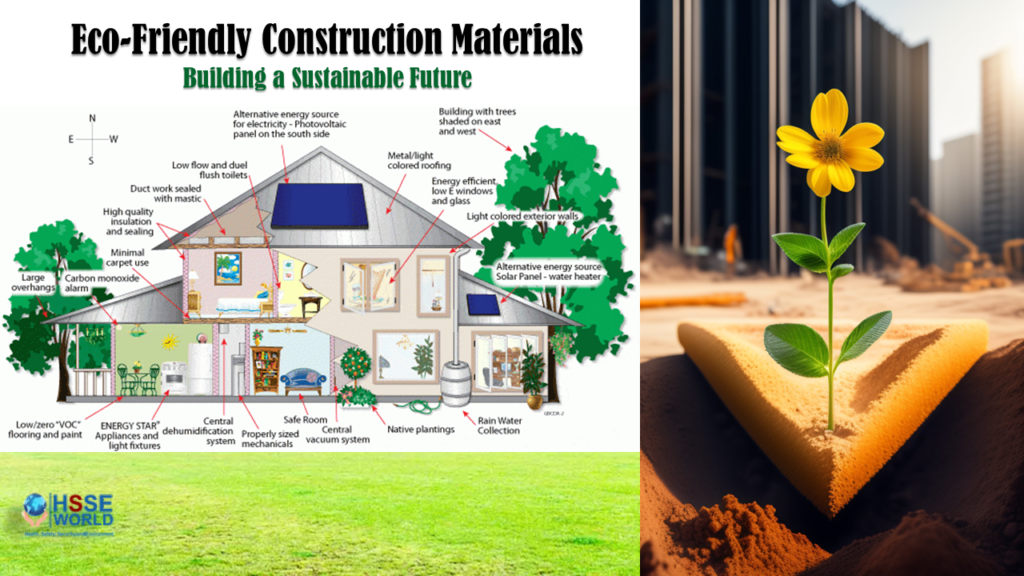
Eco-Friendly Construction Materials: Building a Sustainable Futures HSSE  WORLD

Resource Use Optimization

Resource optimization in construction is crucial for enhancing sustainability practices within the industry. Life Cycle Assessment plays a pivotal role in this process by analyzing the environmental impacts associated with the entire life cycle of a building project. This analysis covers material extraction, construction, and eventual demolition, identifying areas for improving resource efficiency. Companies can optimize resource use by minimizing waste generation, reducing energy consumption, and selecting materials with lower environmental footprints. Integrating Life Cycle Assessment into decision-making processes not only reduces environmental impact but also leads to cost savings and improved long-term sustainability. Embracing resource optimization through Life Cycle Assessment is essential for advancing sustainable practices in the construction sector.

Energy Efficiency Analysis

Optimizing energy efficiency through detailed Life Cycle Assessment is a vital component in enhancing the sustainability of construction projects. By conducting a thorough analysis of energy consumption throughout the entire life cycle of a building, stakeholders can identify opportunities for improvement. This analysis allows for the identification of key areas where energy efficiency measures can be implemented to reduce overall energy consumption and environmental impact.

Furthermore, it enables decision-makers to make informed choices regarding building design, material selection, and operational practices that can significantly decrease energy usage and greenhouse gas emissions. Incorporating energy efficiency analysis into construction projects is essential for promoting environmentally conscious practices and ensuring long-term sustainability.

Sustainable Testing Methods for Materials

Sustainable testing methods for materials play a crucial role in ensuring the environmental impact of construction projects is minimized. By utilizing eco-friendly testing techniques, such as life cycle analysis and durability assessments, construction professionals can make informed decisions that promote sustainability throughout the entire lifecycle of a building.

These methods not only enhance the longevity and performance of materials but also contribute to reducing waste and conserving resources in the construction industry.

Eco-Friendly Testing Techniques

In the realm of materials testing for construction projects, there is a growing emphasis on adopting environmentally conscious methods that minimize ecological impact. Eco-friendly testing techniques play a crucial role in ensuring sustainability throughout the construction process.

One such method is non-destructive testing (NDT), which reduces material wastage and environmental harm by allowing for the evaluation of structures without causing damage. Additionally, utilizing recycled materials in testing equipment and procedures can further enhance the eco-friendliness of the process.

Implementing energy-efficient testing procedures, such as using renewable energy sources to power testing equipment, also contributes to reducing the environmental footprint of construction projects. By incorporating these eco-friendly testing techniques, construction projects can align with sustainable practices while maintaining high standards of quality assurance.

Durability Assessments for Sustainability

With the increasing focus on sustainable construction practices, the evaluation of material durability through specialized testing methods is imperative for ensuring long-term environmental and structural integrity. Durability assessments play a crucial role in determining the sustainability of construction materials by examining their ability to withstand environmental factors and usage conditions over time.

These assessments often involve tests such as accelerated aging, freeze-thaw resistance, abrasion resistance, and corrosion resistance to simulate real-world conditions. By utilizing these testing methods, construction professionals can select materials that have a lower environmental impact, reduced maintenance requirements, and longer service lives, leading to more sustainable construction practices.

Ensuring the durability of materials is essential for minimizing the need for replacements and repairs, thus contributing to overall sustainability in the construction industry.

Life Cycle Analysis

Life Cycle Analysis is a comprehensive method used in assessing the environmental impacts of construction materials throughout their entire lifespan. This analysis considers all stages, from raw material extraction, production, construction, in-use, to end-of-life phases.

By evaluating energy consumption, emissions, resource depletion, and waste generation, Life Cycle Analysis provides a holistic view of a material’s sustainability. It helps stakeholders make informed decisions by identifying potential environmental hotspots and guiding improvements in material selection and design.

Understanding the complete life cycle of construction materials is crucial for achieving sustainability goals and reducing the industry’s ecological footprint. Conducting Life Cycle Analysis enables a more transparent and data-driven approach to sustainable construction practices, paving the way for greener and more environmentally friendly building projects.

Innovations in Recycled Building Materials

Utilizing advanced technologies and innovative processes, the construction industry is witnessing a remarkable shift towards incorporating recycled building materials in sustainable projects. Innovations in recycled building materials have been gaining traction due to their environmental benefits and resource efficiency. One notable advancement is the development of recycled plastic bricks, which utilize plastic waste to create durable and lightweight building blocks. These bricks not only divert plastic from landfills but also reduce the demand for traditional clay bricks, thereby lowering carbon emissions associated with brick production.

Additionally, recycled steel and aluminum are being used in structural elements, offering a sustainable alternative to virgin metals. By repurposing these materials, significant energy savings are achieved compared to extracting and processing raw ores. Moreover, the incorporation of recycled glass in concrete mixes enhances the material’s durability and aesthetics while reducing the environmental impact of glass disposal. These innovations in recycled building materials demonstrate the industry’s commitment to sustainable practices and the circular economy.

Energy-Efficient Construction Techniques

Energy-efficient construction techniques play a pivotal role in reducing a building’s energy consumption. Insulation is a key factor in maintaining thermal comfort and energy efficiency.

Additionally, the installation of solar panels and the use of LED lighting further contribute to sustainable practices in construction.

Insulation for Efficiency

Implementing effective insulation solutions is paramount in optimizing energy efficiency within construction projects. Proper insulation helps in minimizing heat transfer, reducing the need for excessive heating or cooling, and ultimately lowering energy consumption.

Materials like fiberglass, cellulose, foam board, and spray foam are commonly used for insulation due to their thermal resistance properties. The insulation’s R-value, which measures its resistance to heat flow, plays a crucial role in determining its effectiveness.

Additionally, proper installation techniques such as sealing gaps and ensuring complete coverage are essential for maximizing insulation efficiency. By investing in high-quality insulation materials and meticulous installation practices, construction projects can significantly enhance their energy efficiency, reduce environmental impact, and improve overall sustainability.

Solar Panel Installation

Installing solar panels in construction projects is a strategic method for enhancing energy efficiency and promoting sustainable building practices. Solar panels harness sunlight and convert it into electricity, reducing the reliance on traditional power sources and lowering utility costs.

The installation of solar panels requires careful planning to optimize sunlight exposure and ensure maximum energy generation. Factors such as roof orientation, shading, and panel tilt angle must be considered to achieve optimal performance.

Integrating solar panels into construction projects not only reduces carbon footprint but also provides long-term cost savings. By utilizing renewable energy sources, buildings can operate more sustainably and contribute to a greener future.

LED Lighting Benefits

To further enhance sustainable building practices beyond solar panel installation, incorporating LED lighting offers significant benefits in energy efficiency and contributes to overall environmental conservation in construction projects. LED lighting is known for its energy efficiency, consuming up to 75% less energy than traditional incandescent lighting. This reduced energy consumption not only lowers electricity bills but also decreases greenhouse gas emissions associated with electricity generation.

LED lights have a longer lifespan, reducing the frequency of replacements and lowering maintenance costs. Additionally, LED lighting produces less heat, which can help reduce the strain on cooling systems in buildings. By integrating LED lighting into construction projects, builders can significantly improve energy efficiency and contribute to a more sustainable built environment.

Durability and Performance of Sustainable Materials

The longevity and efficacy of sustainable construction materials are critical factors that directly impact the durability and overall performance of eco-friendly building projects. Sustainable materials must withstand environmental conditions while maintaining structural integrity to ensure the longevity of the construction.

Materials such as bamboo, recycled steel, reclaimed wood, and insulated concrete forms are known for their durability and performance in sustainable construction.

Bamboo, for instance, is a rapidly renewable resource that offers high strength and durability, making it a popular choice for sustainable flooring, furniture, and structural elements. Recycled steel reduces the environmental impact of steel production and provides a strong and durable material for various construction applications. Reclaimed wood not only adds a unique aesthetic appeal but also contributes to sustainability by repurposing existing resources. Insulated concrete forms enhance energy efficiency and structural strength, ensuring the longevity and performance of sustainable buildings.

Cost Considerations for Sustainable Construction

Considering the significance of durability and performance in sustainable construction materials, a meticulous analysis of cost considerations is imperative to ensure the economic feasibility of eco-friendly building projects. Sustainable construction materials often have higher upfront costs compared to traditional materials. However, it is essential to look beyond the initial investment and consider the long-term benefits, such as reduced maintenance and operational expenses.

Life cycle cost analysis (LCCA) is a valuable tool for evaluating the total cost of a sustainable construction project over its entire lifespan. This method considers not only the initial expenses but also factors in maintenance, repair, and end-of-life costs. By conducting a thorough LCCA, builders and developers can make informed decisions that balance upfront costs with long-term savings.

Furthermore, government incentives, tax credits, and rebates are often available for sustainable construction projects, helping offset some of the initial costs. It is crucial for stakeholders to stay updated on these financial incentives to maximize cost savings and promote the adoption of sustainable construction practices.

Future Trends in Sustainable Construction

An exploration of forthcoming advancements in sustainable construction practices reveals promising innovations aimed at enhancing environmental stewardship and building efficiency.

One key trend is the growing use of advanced sustainable materials such as carbon-negative cements, engineered wood products, and recycled plastics in construction. These materials not only reduce the carbon footprint of buildings but also help in managing waste effectively.

Additionally, the integration of smart technologies, like sensors for energy management, water conservation systems, and automated building controls, is gaining traction in sustainable construction. These technologies optimize resource utilization and enhance the overall operational efficiency of buildings.

Another significant trend is the rise of prefabrication and modular construction techniques. By manufacturing building components off-site in controlled environments, construction waste is minimized, and construction time is significantly reduced.

Moreover, the concept of biophilic design, which incorporates natural elements into building spaces to enhance occupant well-being, is becoming increasingly popular in sustainable construction practices.

Embracing these future trends in sustainable construction will not only benefit the environment but also create healthier and more efficient built environments for future generations.

Conclusion

In conclusion, sustainable construction materials and testing methods play a crucial role in reducing the environmental impact of building projects and promoting long-term sustainability.

By utilizing eco-friendly options and implementing sustainable testing practices, construction practices can minimize resource depletion, lower greenhouse gas emissions, and ensure the durability and performance of materials.

Cost considerations and future trends in sustainable construction further emphasize the importance of adopting environmentally friendly practices in the construction industry.

Share this...
Share on facebook
Facebook
Share on pinterest
Pinterest
Share on twitter
Twitter
Share on linkedin
Linkedin
…
December 1, 2024April 10, 2026

Copyright © 2021 | All Rights Reserved. CorpoNotch by Shark Themes

Terms and Conditions - Privacy Policy